
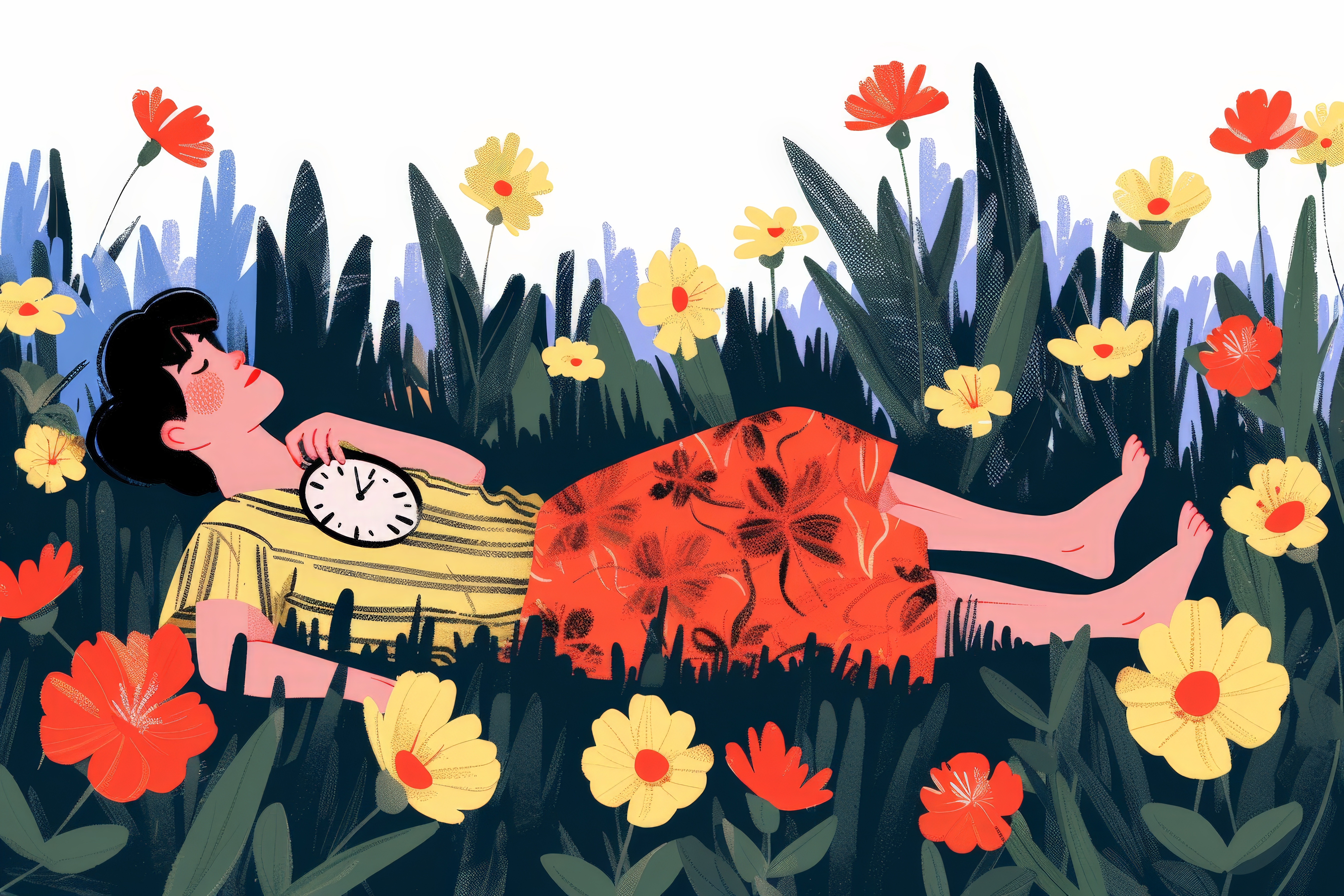
Every spring, we move the clock forward one hour. On paper, it doesn’t seem like a big deal. But many people feel it.
You might notice that you’re more tired, a little irritable, having trouble focusing, or craving more sugar and caffeine than usual. Some people even feel more anxious or emotionally overwhelmed during the week after the time change.
If that sounds familiar, you’re not imagining it. There’s a real reason why losing just one hour can affect your mood and mental health.
Your Brain Runs on a Biological Clock
Your body operates on something called a circadian rhythm. This is your internal 24-hour clock that controls sleep, energy levels, hormones, appetite, and even your mood.
When we suddenly shift the clock forward, your brain doesn’t automatically adjust. For many people, it can take several days to fully catch up.
During that adjustment period you might notice:
- Trouble falling asleep or waking up
- Brain fog or difficulty concentrating
- Increased irritability
- Feeling more anxious or emotionally reactive
- Stronger cravings for sugar or comfort foods
Your brain is simply trying to recalibrate.
Why the Time Change Feels Harder for Some People
Some people are more sensitive to sleep disruption than others.
If you already struggle with things like anxiety, depression, ADHD, or chronic stress, even small changes in sleep can affect how your brain regulates emotions.
Sleep is one of the biggest protectors of mental health. When sleep gets disrupted, even slightly, the parts of the brain responsible for emotional regulation can become more reactive.
That means your stress tolerance may temporarily drop.
You may notice yourself feeling more overwhelmed by things that normally wouldn’t bother you as much.
That’s not a character flaw. It’s biology.
The Link Between Sleep and Emotional Eating
For many people, sleep disruption also affects appetite.
When you don’t get enough sleep, your body produces more of the hormone ghrelin, which increases hunger. At the same time, levels of leptin, the hormone that signals fullness, decrease.
This combination often leads to stronger cravings for high-carbohydrate or sugary foods.
For people who use food to cope with stress, exhaustion, or emotional discomfort, the time change can sometimes make those urges feel stronger.
Understanding this connection can help you respond with more awareness instead of self-criticism.
Simple Ways to Help Your Brain Adjust
The good news is that most people adjust within a few days. A few small habits can make the transition easier.
1. Get morning sunlight.
Exposure to natural light in the morning helps reset your internal clock and tells your brain it’s time to be awake.
2. Keep your sleep schedule consistent.
Try to go to bed and wake up at the same time each day, even on weekends.
3. Limit caffeine later in the day.
Caffeine can stay in your system for hours and make it harder for your brain to fall asleep.
4. Move your body.
Light exercise, even a short walk, can help regulate energy and mood.
5. Give yourself a little grace.
You might not feel like your most productive self for a few days. That’s normal.
Be Patient With Your Brain
The transition to Daylight Saving Time is a small shift, but it can still have a noticeable impact on how you feel.
If you’re feeling a little off this week—tired, foggy, or emotionally drained—remember that your brain is simply adjusting to a new rhythm.
With a little sleep, sunlight, and patience, most people find that their energy and mood return to normal within a few days.
Sometimes the most helpful thing we can do for our mental health is simply recognizing that our brains are human—and giving them the time they need to reset.
